
About
Greytown Heritage Trust is deeply committed to Greytown’s living heritage. Our commitment is to people and culture, buildings and streets, trees and the ecology. The Trust actively celebrates and looks to enhance what makes Greytown distinctive. Ensuring its character thrives today and evolves sympathetically into the future.
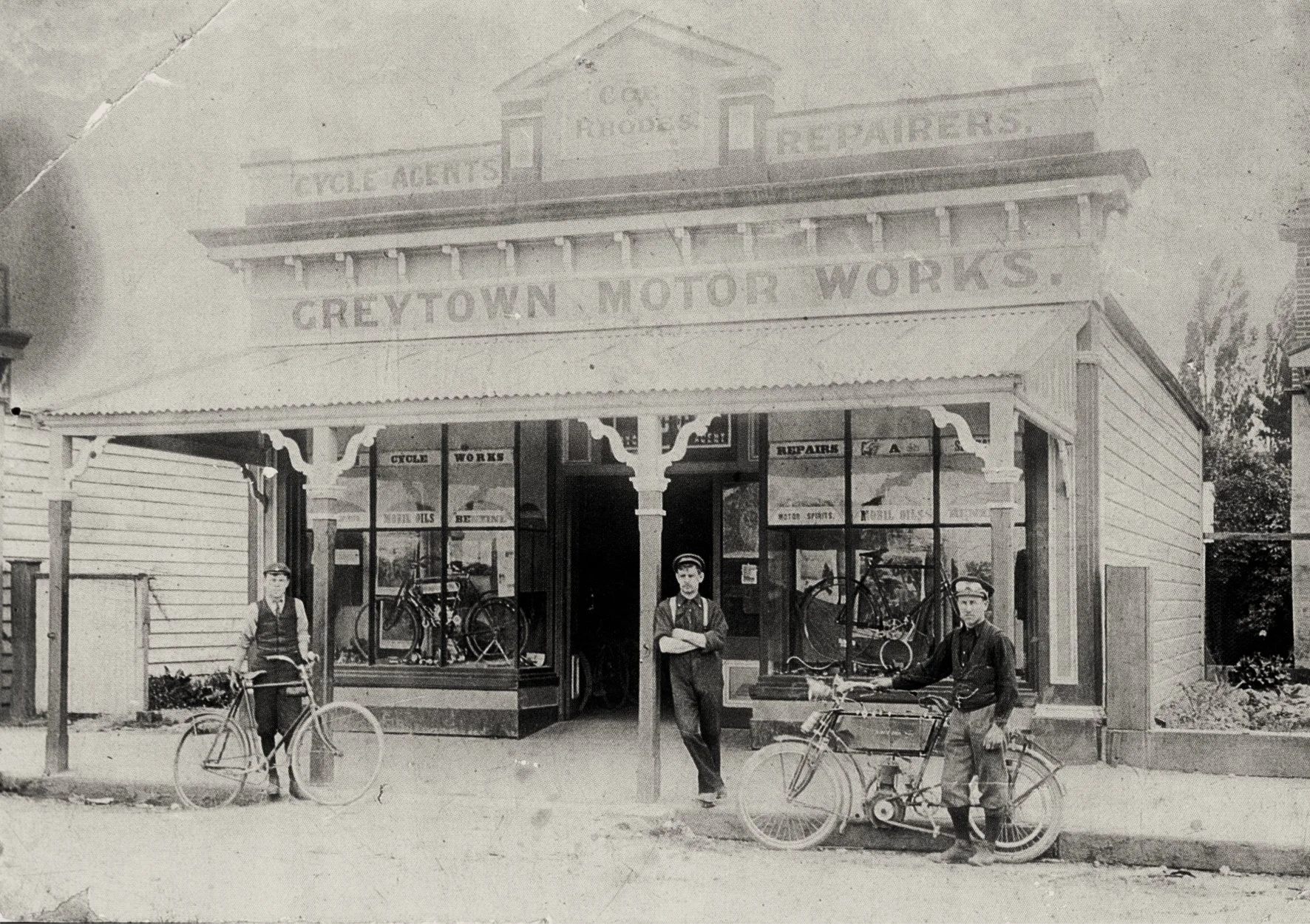
Origins and History of the Greytown Heritage Trust
The Greytown Heritage Trust was founded in 1994 in response to growing community concern about the loss of historic buildings and the gradual erosion of Greytown’s unique character. Local residents and heritage advocates came together with a shared purpose: to protect and celebrate the town’s architectural and cultural heritage for future generations.
Key early members worked diligently to raise awareness about heritage conservation and to advocate for more sensitive development practices. Over the years, the Trust has expanded its role from building preservation to a broader vision of living heritage.
This includes:
Developing Greytown’s heritage signage and walking trails
Hosting the annual Greytown Heritage Trust lecture featuring leading historians and conservation architects
Producing the Greytown Heritage Style Guide to support design that acknowledges and respects the town’s character
Running community events such as heritage house and garden tours, exhibitions, and talksMaking submissions on District Plans, bylaws, and development proposals to ensure heritage considerations remain central to decision-making
The place
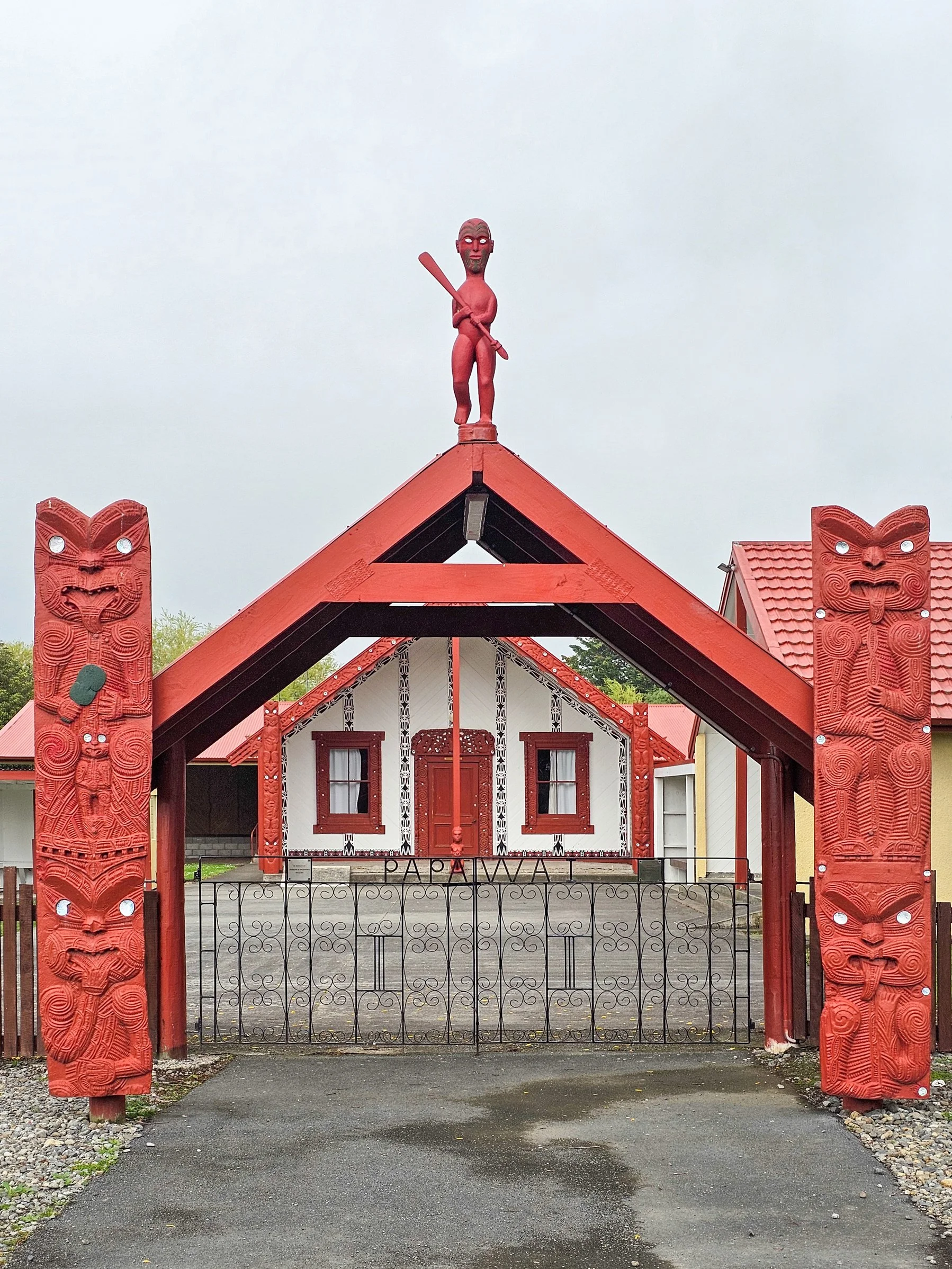
Ko wai te maunga e tū mai rā? Ko Tararua, ko Tararua. Nukunuku mai, nekeneke mai, ki taku tauaro kikini ai. Tihei mauri ora! Tēnei te reo mihi o Papawai tangata, o Papawai whenua, o Papawai whānau e rere tōtika atu nei ki ngā maunga whakahī, ki ngā awa tipua huri noa, huri noa, tēnā koutou.
The people of Papawai descend from their ancestors who migrated to Aotearoa from Hawaiki. Papawai people belong to: Ngāti Kahungunu (Takitimu), Rangitāne (Kurahaupō) and Ngāi Tara (Kurahaupō). They also boast a whakapapa connection to Ngāti Ira iwi who do not claim origins from a waka, but from the ancestor Paikea. They also claim descent from the renowned navigator, Kupe and the celebrated rangatira Haunuiananaia. Both were integral in naming and exploring parts of Wairarapa. Hau, is responsible for the naming of many landmarks and natural features across Wairarapa, including some close to Papawai such as our rivers, Waiōhine and Ruamahanga. Papawai people also trace our genealogy back to Māui. Te Karu o te ika a Māui (the eye of Māui’s fish) or Wairarapa Moana (Lake Wairarapa) lies to the south and remains a sacred and important place for Papawai descendents.
The earliest tīpuna of Papawai uri who migrated to the Papawai area were those from the Kurahaupō waka. They were later joined by others who traced their descent to Kahungunu (Takitimu) and Iratūroto (Ngāti Ira). Key hapū of Papawai are: Pāteika, Ngāti Moe, Ngāti Kauihi, Ngāti Kahukura-ā-whitia and Ngāti Muretū.
In the 1700s-early 1800s various papakāinga and pā occupied by different hapū and whānau were scattered around Papawai and Greytown. The Papawai area had many different pā, however due to pressures such as the arrival of Pākehā and the subsequent land issues lead to the establishment of Papawai as an official pā, a collection of different hapū and whānau, a centralised hub for their uri.
During the 1800s, Papawai Pā flourished under the leadership of many tīpuna. There were whare-wānanga (ancient houses of learning), kapa haka and businesses. However, most famously, for a period, Papawai was the home for the Kotahitanga (Māori Parliament movement), a national political movement. Through this time, the settlement grew to 3000 and large buildings were constructed for the hui.
The Pā is now a living pā and a hub for our hapū and uri. He pā whakairo, he pā kōrero. Papawai is the result of efforts from many tīpuna, kaumātua and whānau who gave and continue to give their time and kaha to keep the fires burning at our marae, he ahi kā roa, he ahi kōmau, he ahi kouka ē! Tēnā rā koutou.
Herewini Ammunson
“The Pā is now a living pā and a hub for our hapū and uri. ”
Kereitāone
The te reo Māori transliteration of Greytown is revealing. The town, a post-European construct, is often referred to as 'Kereitāone'; this accommodates grey / kerei, and town / tāone. The concealed revelation in the act of transliterating is that the place doesn’t have a singular site in Māori settlement, a pre-existent te reo naming, or a pre-colonial presence, but breaches the boundaries of a number of important sites.
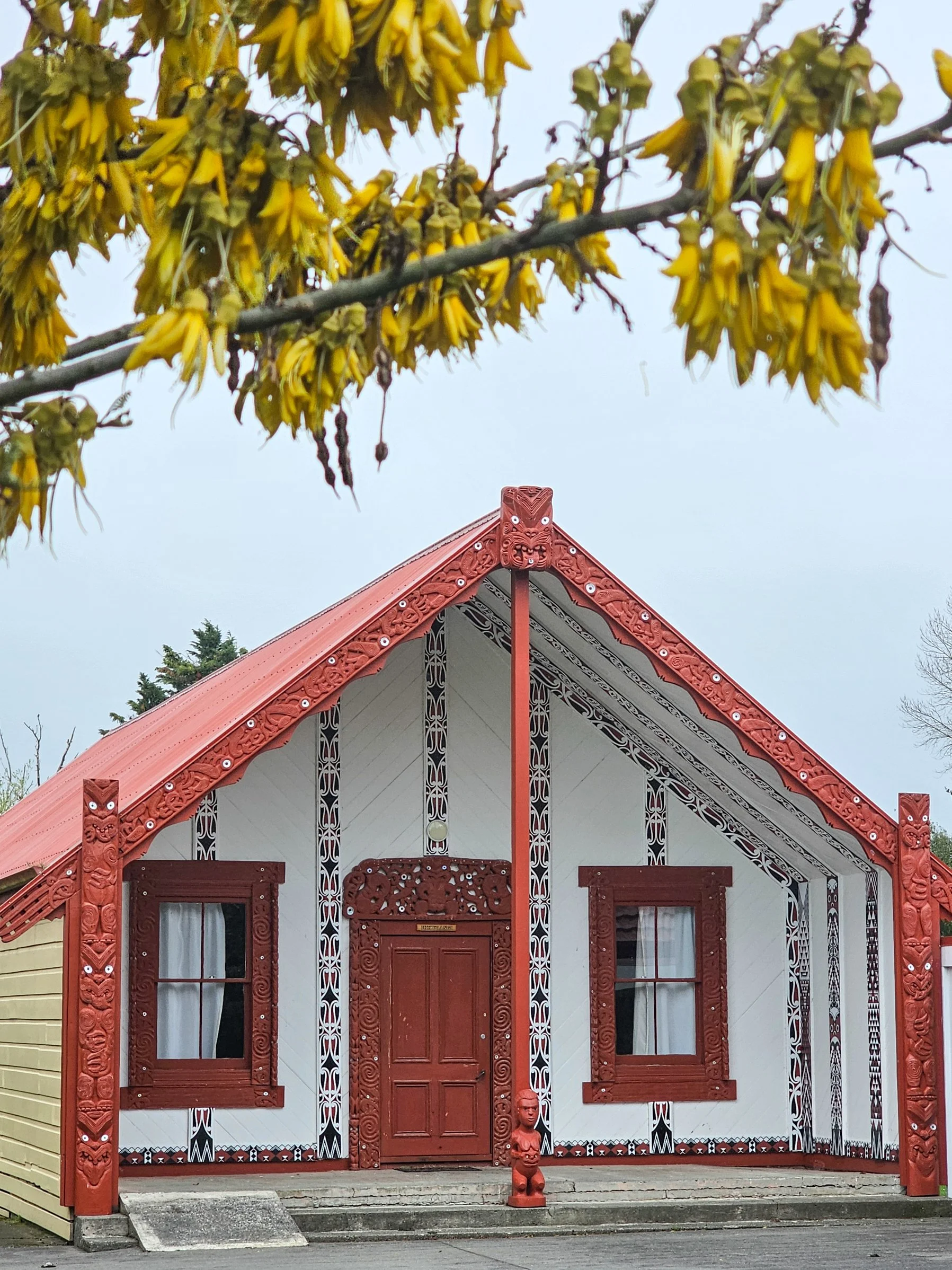
Many Aotearoa New Zealand cities and towns have supplanted the original te reo names with European titles – not so much a translation as a substitution. The Māori name often associated with Greytown now is Hūpēnui, which translates as 'Big-Snot', referencing the outpouring of tears and grief after a battle in the 1820s at the Pā called Pēhikātea which is sited between Papawai and Gladstone. Hūpēnui has been given to the modern day town.
Amongst the sites of local importance is Kuratawhiti (which gives its name to a significant Greytown street). The historian A.G. Bagnall cites the records of early European incursion to landscapes of dense bush, and reaching a clearing of between half-a-mile wide and two-and-a-half miles long. This was Kuratawhiti. Kuratawhiti is a name of an ancient school of learning in the Pacific and is also associated with the te ao Māori creation story. A further translation of kura gives us 'learnings' or 'treasures', and tawhiti 'distant' - Kuratawhiti is a reminder of the knowledge and treasures ancestors brought here from the Pacific.
The various local settlements mentioned would have been homes of hapū, or subtribes, from the arrival of ancestors in 1300s. It was not until later, in the 1850s that the Papawai settlement became the main focal point for the people who lived in these smaller settlements from Featherston, northern Martinborough and Greytown stretching to Carterton. Māori colloquially refer to Papawai Marae as an 'aircraft carrier' Marae because it has several hapū associated with it because of this history. A history not typical for a traditional marae.
The Māori Parliament and its association with Papawai is rich territory. It is a bringing together of peoples and thinking that exceeds the locality. Te Tiriti, co-governance and Māori sovereignty were some of the pillars of the Maōri Parliament movement. There are pertinent insights generated by the Māori Parliament that can help us make sense of contemporary lives, offering us a respectful, discerning dialogue about nationhood.
“Māori colloquially refer to Papawai Marae as an ‘aircraft carrier’ Marae because it has several hapū associated with it because of this history. ”
Greytown is an hour from Wellington. It gathers up history and lives of almost two centuries. It is rural and urban in the same moment. It’s charming and characterful, at once stimulating and serene.
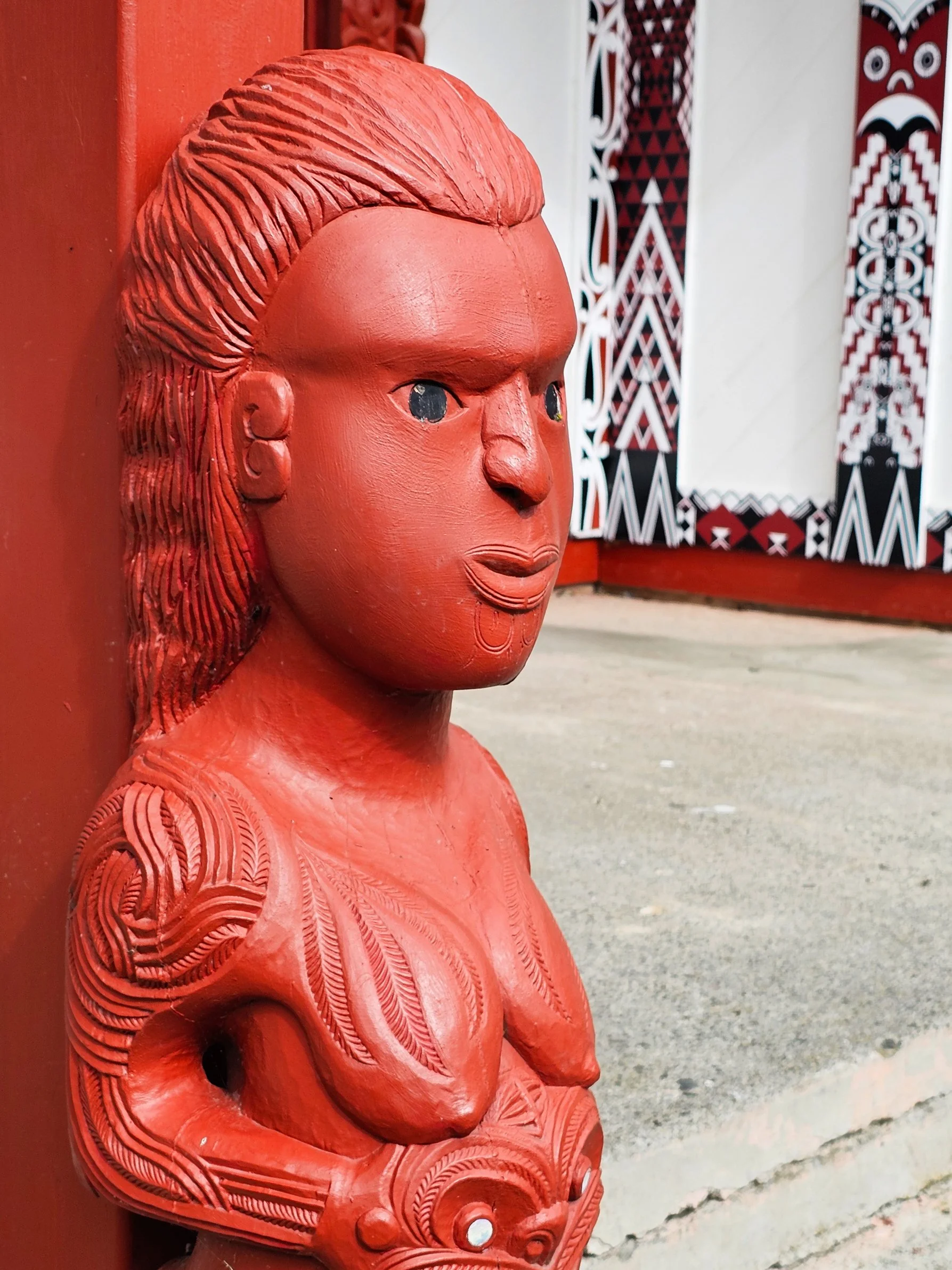
Pāpāwai marae, the historical and cultural bedrock of Greytown, was established as a permanent pā in the 1600s; the first six European settlers didn’t slog their way over the Remutakas until 1854. Pāpāwai became nationally important as a major political and spiritual centre in the late 19th century, hosting multi-iwi Kotahitanga (Māori Parliament) meetings.
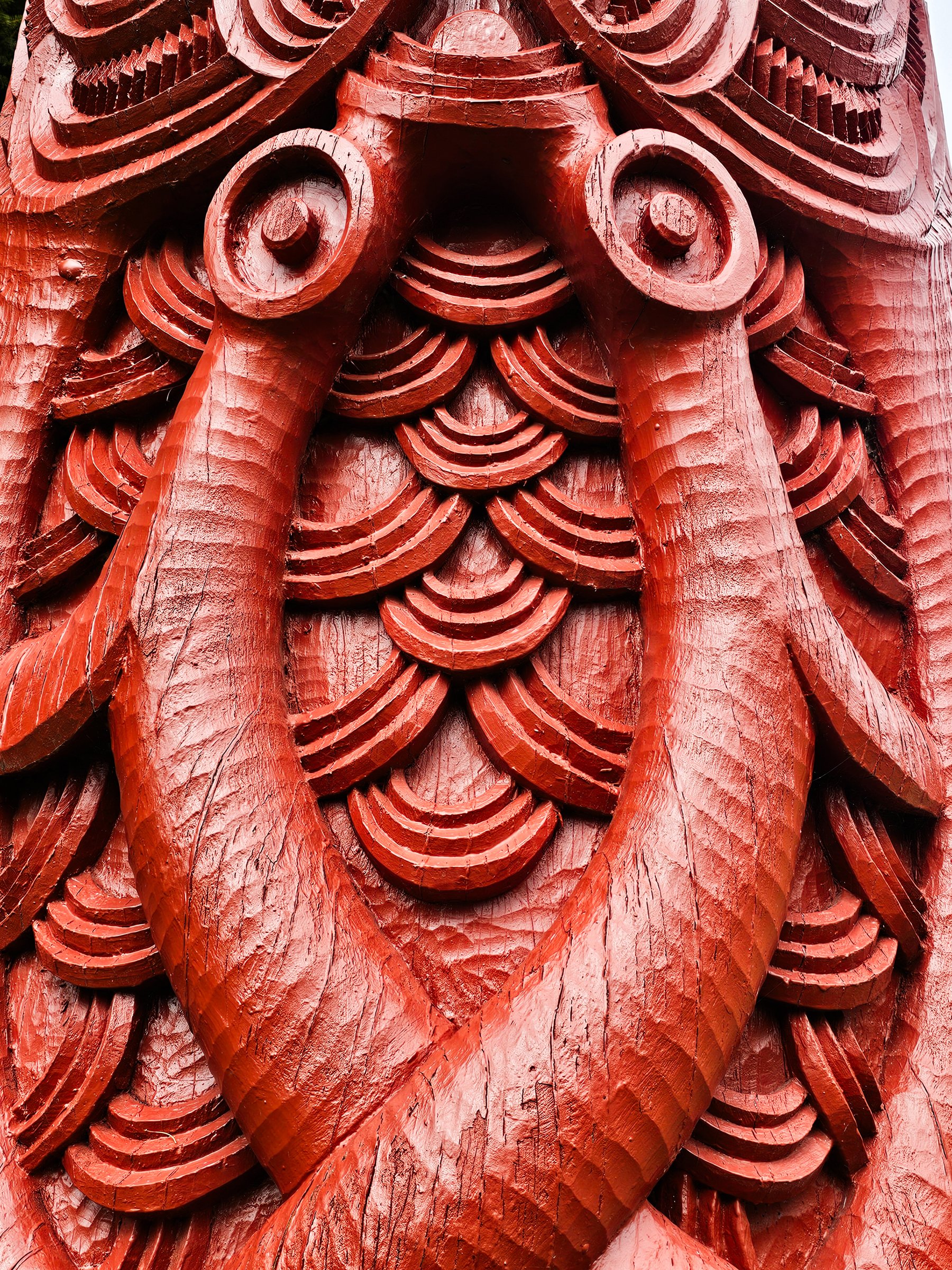
Distinctively, Pāpāwai marae is bound by a unique collection of pou. Eighteen figures, carved and erected in 1904, marked the perimeter and represented leading rangatira of the hapū, iwi, and the wider district. One pou represented the early Pākehā settler William Mein Smith. Uniquely, the pou stood facing inwards towards the marae to represent peace and unity, rather than outwards as a defensive stance.
As early as 1853 Pāpāwai has been a mainspring of iwi efforts to establish a new tikanga of engagement with the Crown, and with Pākeha.
In 1854, Greytown became New Zealand’s first planned inland town. Founded by settlers from Wellington and the Hutt Valley, under the Small Farms Association, it was designed to give working families the chance to own land. Town acres and surrounding 40-acre farm lots were allocated by ballot, creating a settlement pattern combining village life with productive farmland.
Unlike many other settlements established during this era, Greytown was not directly involved in the New Zealand Wars. While tensions over land sales existed, Wairarapa remained relatively peaceable.
Greytown’s character buildings
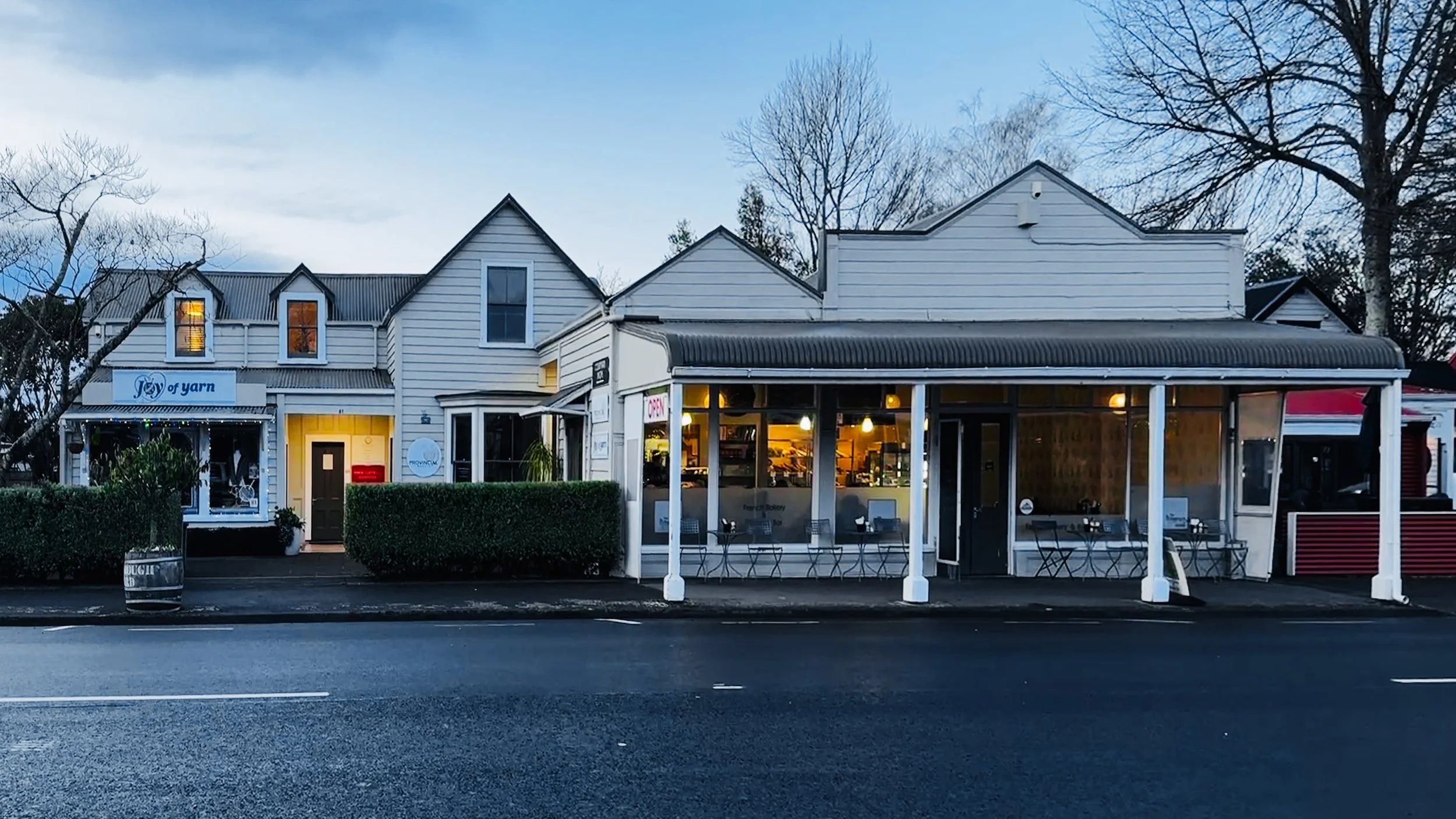
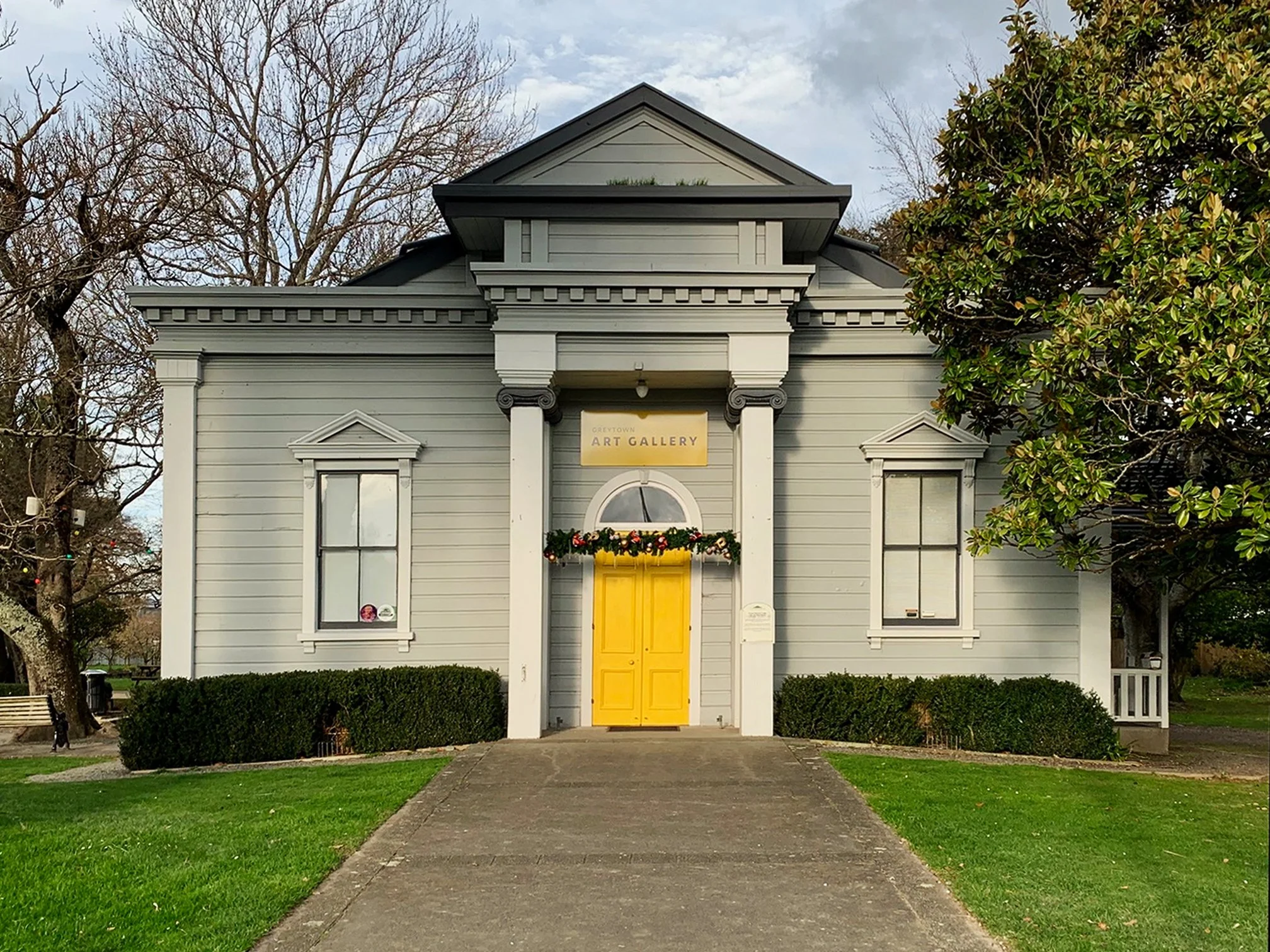
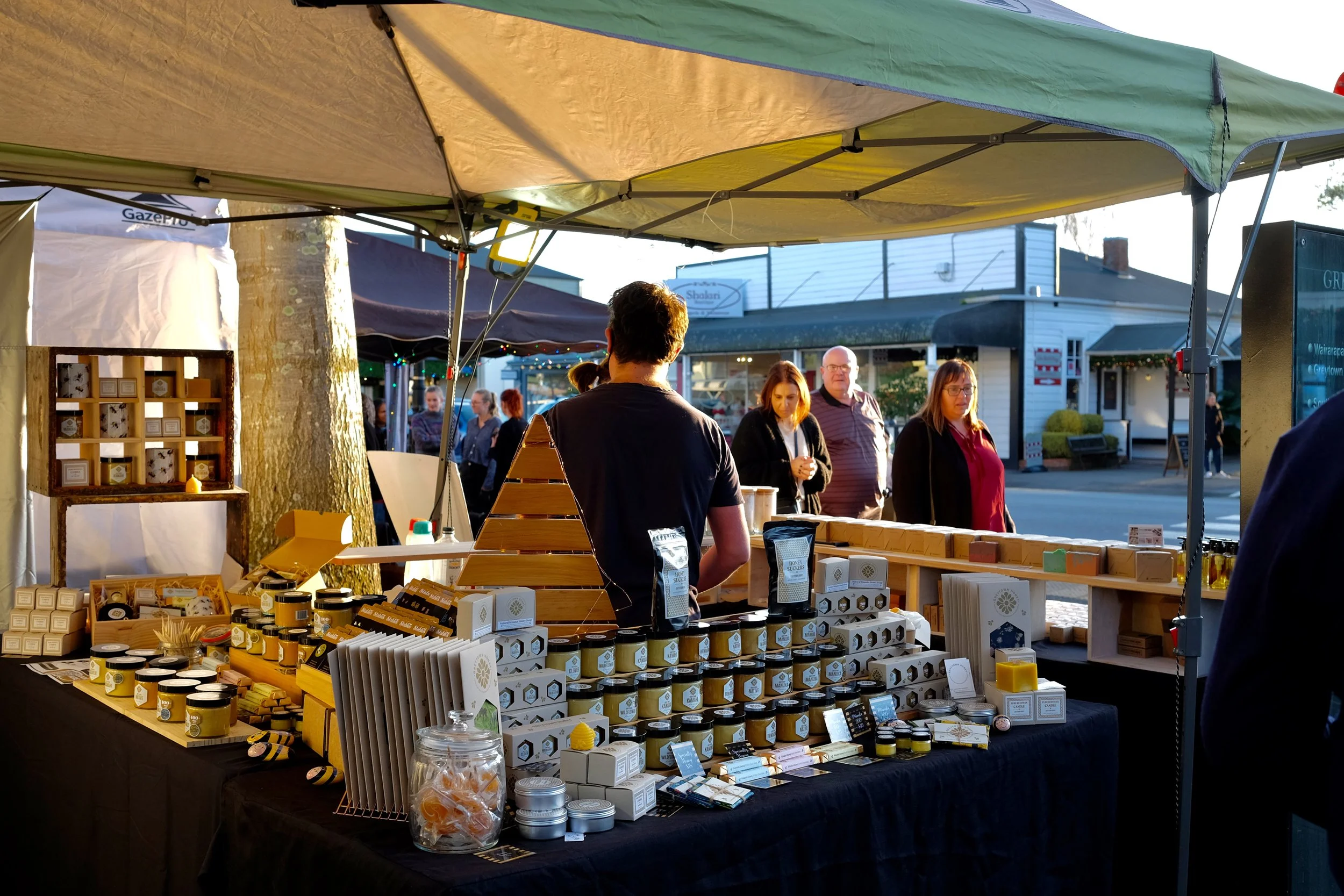
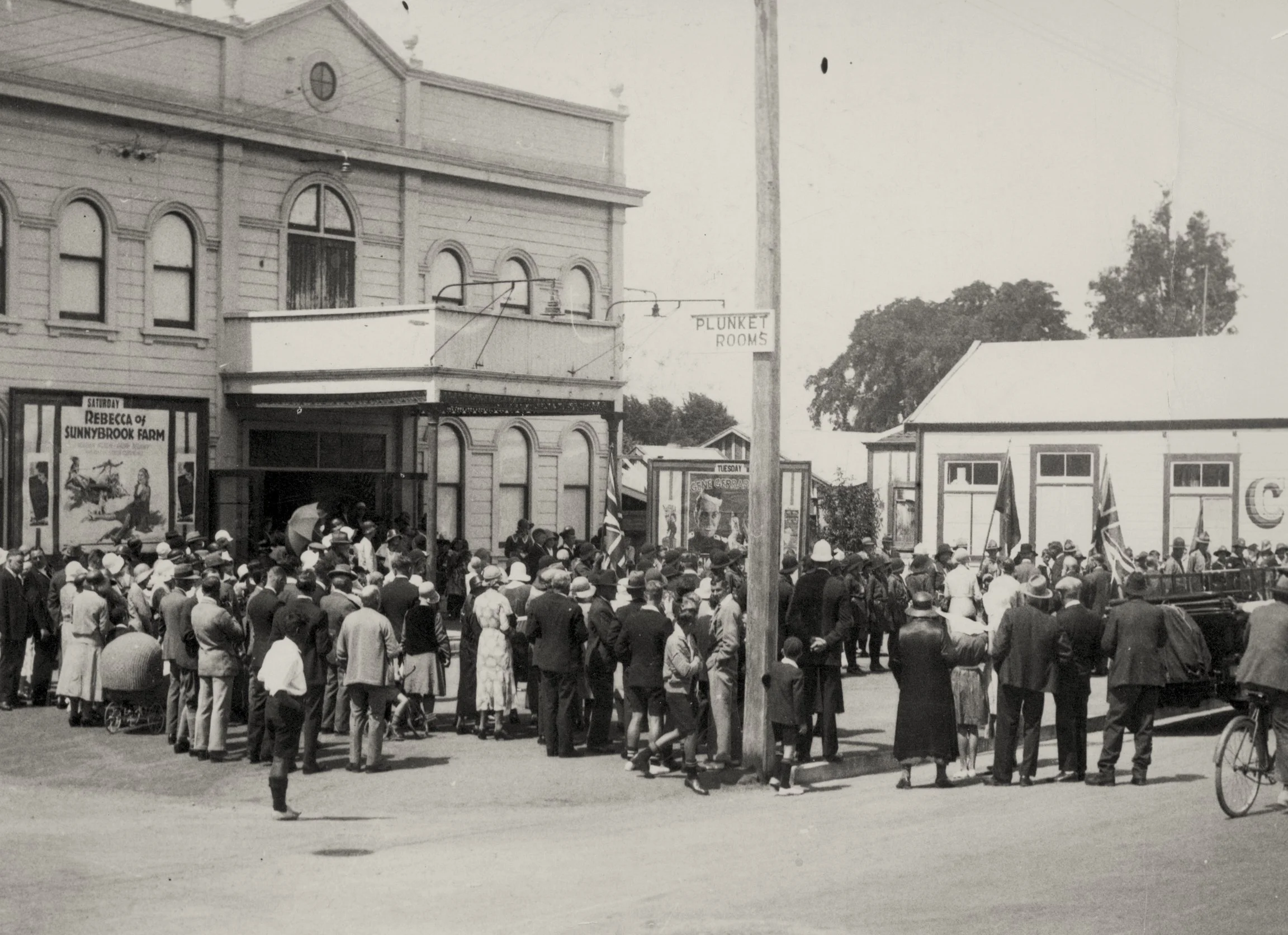
Main Street is a thriving cluster of 19th century cottages and commercial facades that conjures a particular sense of place.
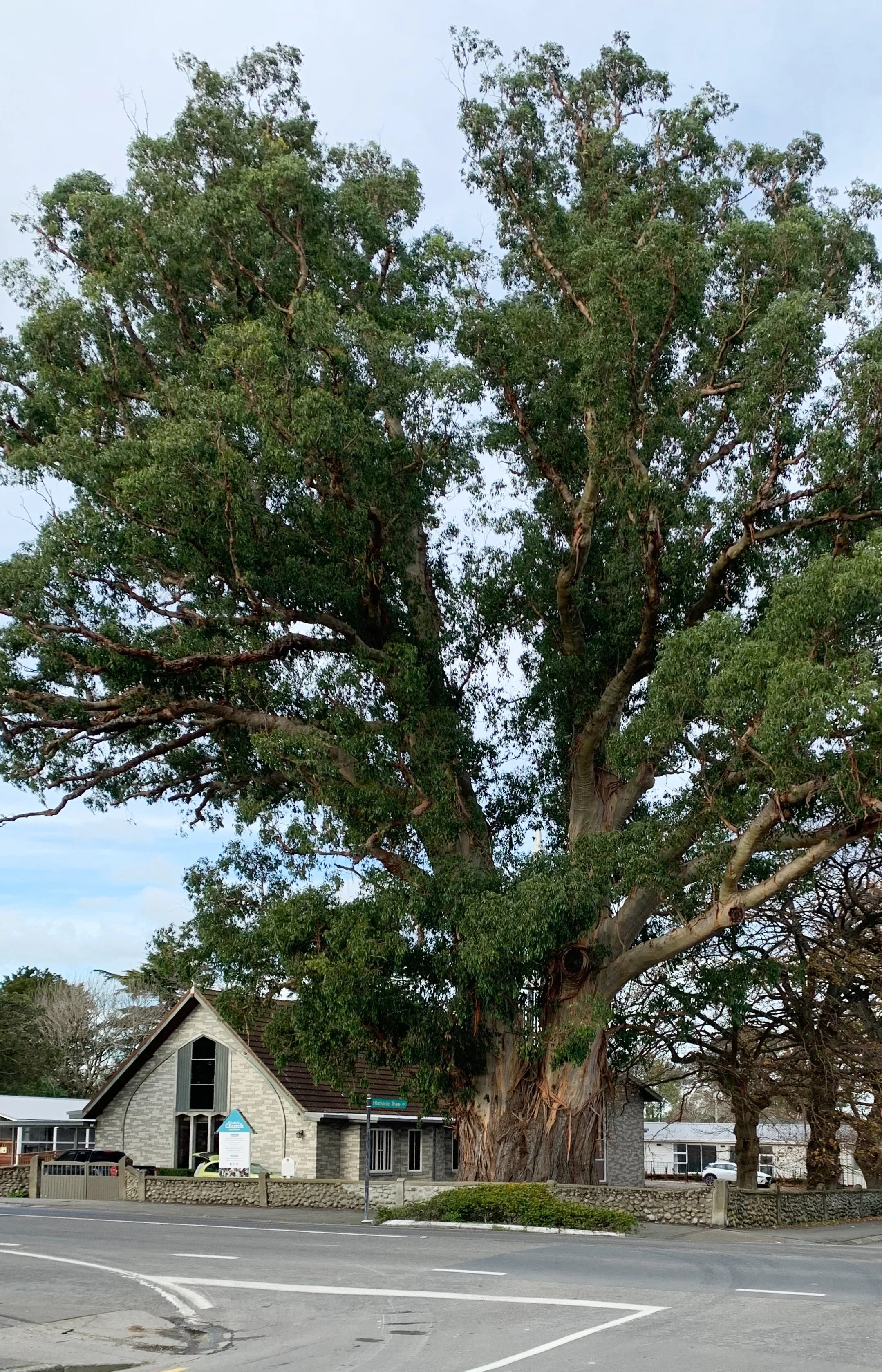
The dapple and colour of mature deciduous trees punctuate the open skies of the Wairarapa river plain. Alongside them, native trees such as tōtara offer deep roots in Aotearoa’s ecological and cultural landscape — a living connection to whenua and whakapapa. In an era where we are increasingly aware of the importance of trees to climate, ecology, and wellbeing, this layered legacy — of both settler and indigenous plantings — is profound.
Trees
Community
Lively, creative cand welcoming, people are tangibly connected to Greytown’s heritage and whenua. Pāpāwai Marae is a centre of learning, gathering, and cultural leadership; Greytown Lands Trust has existed since 1871 to nurture, support and promote the interests of Greytown - they champion the vigour of our community, cultural and sporting life; Village Country Heaven promotes retail and business that makes for a Main Street of distinction.
Our voice
At the Greytown Heritage Trust, we share stories and introduce places through events, education, and advocacy. We partner with Council on planning and design guidelines, manage projects like heritage signage and walking routes, and celebrate the rich cultural layers that make Greytown’s history a living, breathing part of daily life.
How we help
1CELEBRATE
Greytown Heritage Trust celebrates our lively heritage through engaging events, tours, and talks. These experiences bring our town’s stories to life for locals and visitors alike, building pride and connection.
2ADVOCATE
Heritage and history are inextricably entangled in the present. There’s pleasure in unravelling the threads and valuing the richness of how we got to be this place, Greytown.
3EDUCATE
We contribute to educating our community about Greytown’s history, environment, and cultural significance. Through storytelling, signage, and resources, we keep our heritage alive as a meaningful part of daily life, while highlighting how caring for our environment sustains it for the future.
The Trustees

CHAIRPERSON
Carmel Ferguson
A considerable, national career in interior design alongside thirty years of running a furniture design and manufacture business for clients, architects and designers, Carmel is well placed to understand Greytown’s heritage and bring a thoughtful eye to Trust initiatives. Carmel has undertaken an ambitious conservation and renewal of a significant Greytown house that carries an important architectural and social history. A lifetime connection to the Wairarapa, she is strongly connected to contemporary Greytown.

TREASURER
Sylvia Smith
Owner and director of a notably successful graphic design business which, upon selling, gave Sylvia headspace to contribute to board roles and to have oversight of financial frameworks for long-term clients. Sylvia has also served as Treasurer of the South Wairarapa Rotary Club and Martinborough Fair Trust. She remains on the Rotary Club Communications committee. Contemporary art, heritage architecture and Greytown’s trees and ecology are important threads in Sylvia’s life.
TRUSTEE
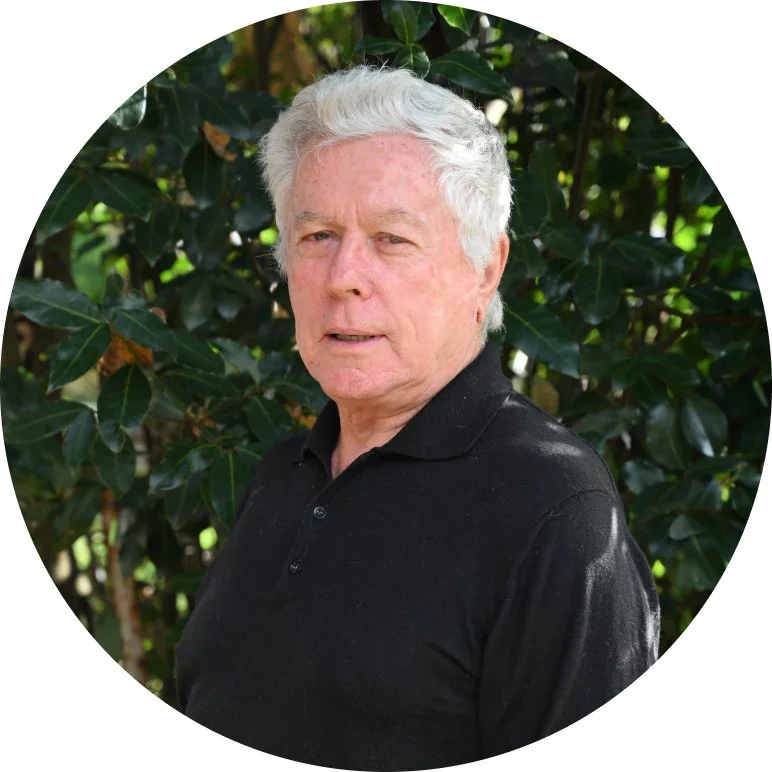
Marcus Darley
Marcus is a well‑known figure nationally and regionally in hospitality and heritage. An early influencer in Wellington’s “foodie” scene, Marcus championed several venues for more than five decades. Marcus moved to the Wairarapa in 1998. He was active in developing Greytown’s White Swan Hotel and later restored the legendary Tin Hut, transforming the 1857 building into a fêted venue. Marcus has a passion for the preservation of heritage buildings. Restoring several historic properties, he has featured in NZ House & Garden magazine. Marcus is an accomplished landscape gardener. Marcus brings to the Trust practical restoration experience, aesthetic sensitivity, and commitment to protecting our identity.
TRUSTEE
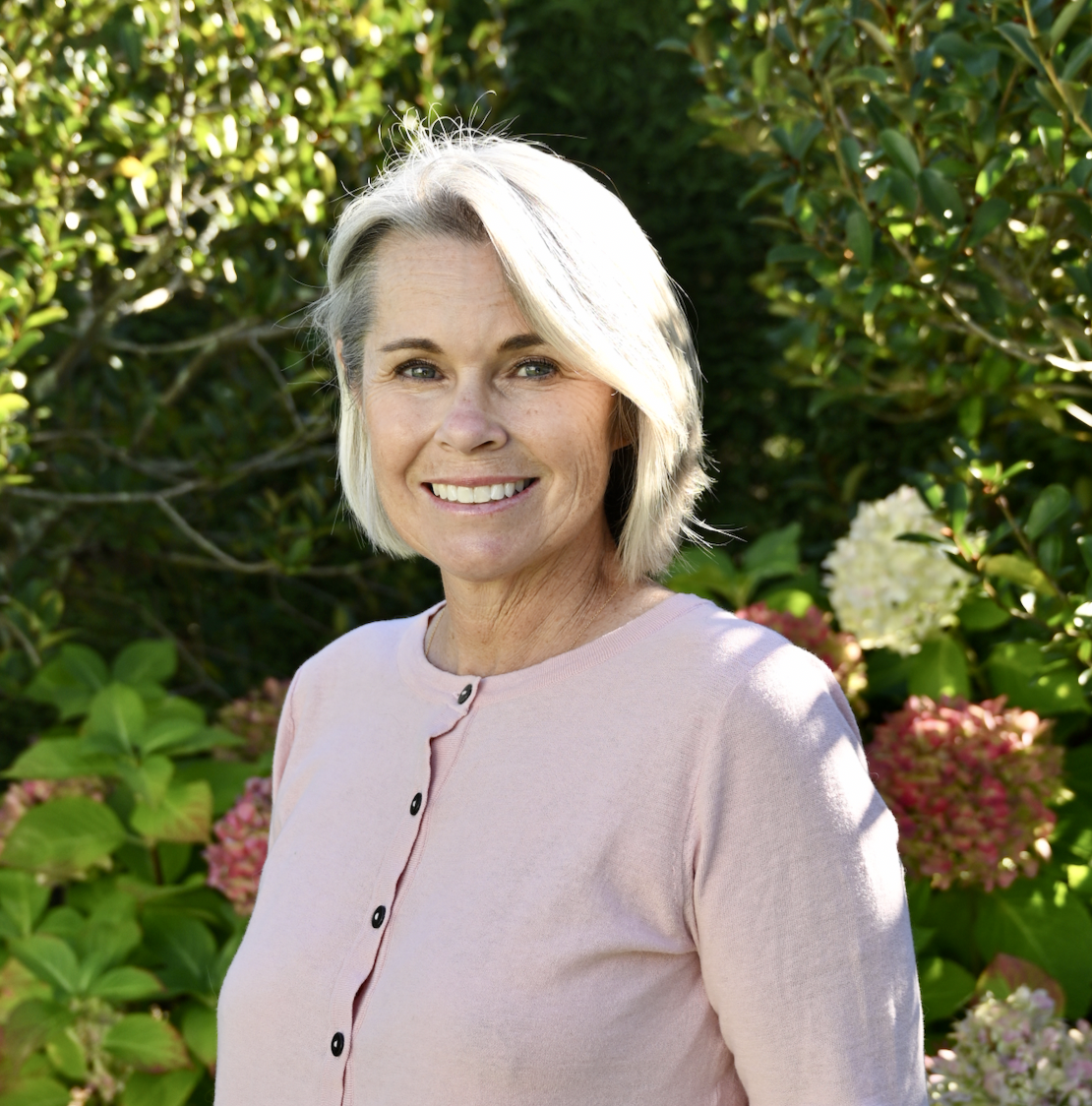
Shona Macrae
Shona has now lived in Greytown for the last four years. It is a place that quickly seduced her and her husband for its character and for the warmth and friendliness of the Greytown community. Her career has seen her in a variety of noteworthy administrative roles, having begun her working life in the banking sector. Her current role is in supporting a company executive director. This is a responsibility of some stringency in which someone else’s time, competence and reputation is invested in her exacting approach to work. This very rigour is what Shona brings to looking after the Trust’s functions and behind-the-scenes organisation.
TRUSTEE
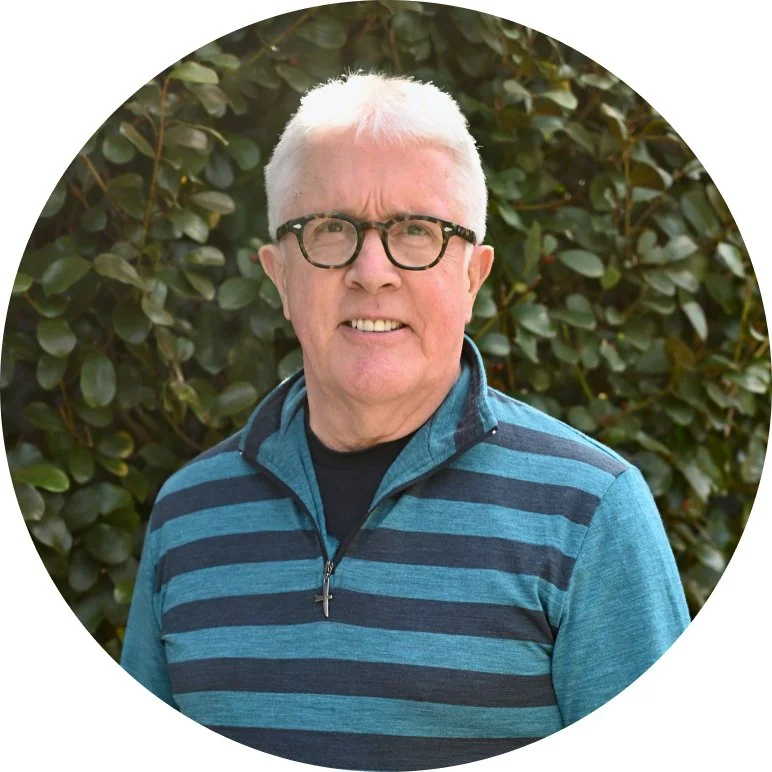
Peter Rowlands
B.Ed Hons (London), MA (London)
Serving on other heritage bodies in the past, Peter is interested in enabling people’s ability to access and understand their cultural history. Currently working as a facilitator in organisational settings, he is interested in how people tell stories and make sense of their world. Peter has worked across education, theatre, cultural organisations, and libraries both in New Zealand and overseas. He brings experience in writing, research, and heritage to support the Trust’s role as a champion for Greytown’s unique identity.
TRUSTEE